The Sheriff's Office Can't Process Deeds
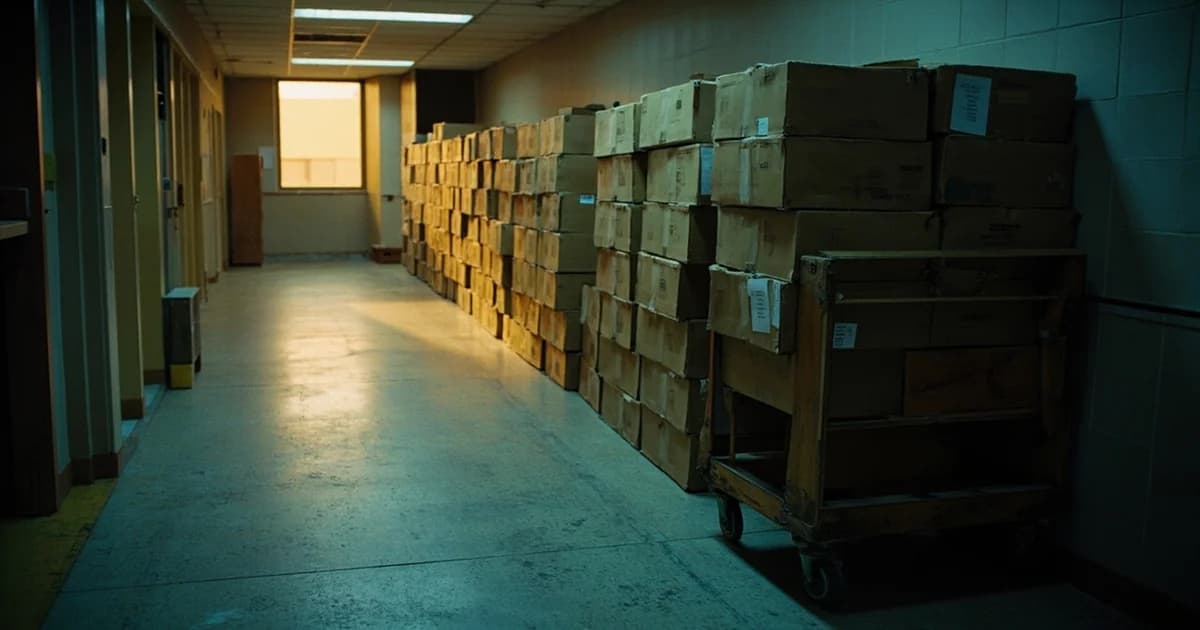
The Philadelphia Sheriff has a 223-day deed-recording backlog. Buyers paid $1M at auction and are still waiting. The 2003 consent order says 40 days.
Forty years.
That is how long the Sheriff’s Office of Philadelphia has been accumulating documented corruption, mismanagement, and scandal, according to the Committee of Seventy’s 40-year autopsy of the office. Forty years of an agency that functioned less like law enforcement and more like a patronage ATM.
Judges finally acted. In May 2026, Common Pleas Court Judge Paula Patrick ordered Sheriff Rochelle Bilal to submit an accounting of every sheriff sale since January 2020 and a plan for promptly delivering deeds to winning bidders. She must also appear at a public hearing in July to explain why a special master should not be appointed to oversee the office’s auction operations. Fix it, or someone else will.
One buyer purchased eight properties for nearly $1 million at auction and has not received any of the deeds. Another paid $500,000 for five properties in November 2025 and is still waiting.
Mary Jo Potts has been waiting over two years for a single deed.
Since 2022, Philadelphia averages 223 days from foreclosure sale to deed recording — compared to 38 days in Delaware County. Of those 223 days, roughly 148 are consumed by cost sheet transmission delays alone.
A 2003 consent order against then-Sheriff John Green — who later received a five-year prison sentence for bribery — requires deeds be processed within 40 days of settlement. The office has been violating that order for more than two decades.
Think about what it takes for a judge to tell a sitting sheriff to fix basic paperwork or lose control of her own office to an outside appointee. That is not a compliment to the court system for finally acting. That is an indictment of every person who held power for four decades and let the problem compound.
The irony is structural: the same office that cannot process deeds — cannot handle the basic paperwork that keeps property transactions moving in a city that desperately needs housing supply — is the same office that found money for whatever it wanted when nobody was watching.
Bilal is asking City Council for a 54% budget increase — from $35.5 million to $54.9 million — the largest request of any city agency, from the office that spent $9,250 on a life-size mascot of itself. You cannot make this up.
There is no plan to close the Sheriff’s Office. The court did not issue a death certificate. It issued a fix-or-else order: clear the backlog before the July 27 hearing or a special master takes over.
That distinction matters. A death certificate implies finality. A fix-or-else order means the problem is still alive, still broken, still waiting to see if anyone in power actually means it this time.
Forty years is a long time to practice being beyond accountability. The order is not a resolution. It is a question — one I came back to in August, after the silence that followed the July 27 hearing said more than the op-ed.