The L&I Velocity Drain
Philadelphia landlords pay $69 per unit a year for a rental license. L&I makes you paint over water stains. The costs show up in your rent.
If you own a rental property in Philadelphia, you get to pay the Department of Licenses and Inspections $69 per unit, every year, in rental license fees (capped at $27,830 per property for the largest landlords, which is a small comfort to anyone with a duplex or a triplex). And fill out some paperwork. And wait. The actual labor cost for most landlords runs $10 to $20 in admin time (call it 30 minutes of someone's afternoon, several times a year, just keeping the paperwork current). That's not nothing. For a landlord operating on thin margins, that's real money. And it recurs every year. Forever.
Now here's the part that really gets me.
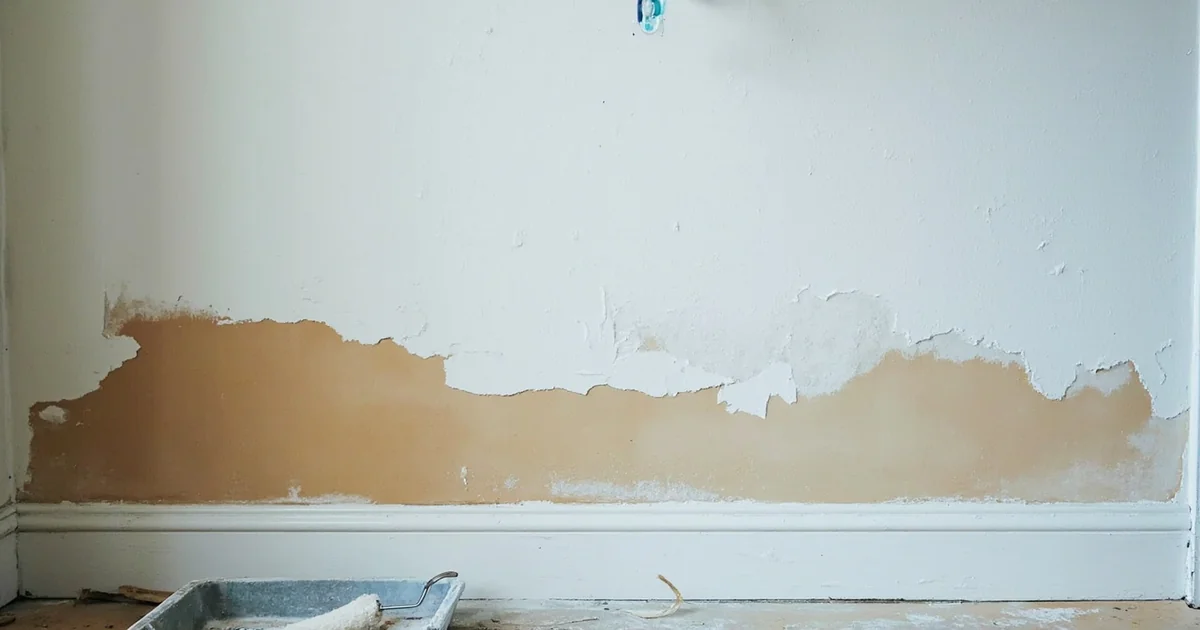
A tenant calls you up. There's a water stain on the ceiling (maybe from the unit above, maybe from weather, maybe just age). It's cosmetic. Nobody's complaining. It isn't bothering anyone. But L&I sees it on an inspection and demands you paint over it. Fine. So you call a painter. $100 to $200, depending on the unit and the contractor you can get to show up on short notice. That's a cost. And that cost, like every cost of doing business as a landlord, either comes out of your margin or gets passed to the tenant in next year's rent increase.
There was no safety problem. There was no habitability issue. A painter smoothed over a water stain nobody cared about, and now someone's rent goes up.
The landlords I've talked to (the ones who've been doing this a while) have a phrase for what eventually happens. The juice isn't worth the squeeze. They look at the annual license, the inspections, the $100 painter visits, the 30 minutes of paperwork every time something minor comes up, and they do the math. And some of them sell. They get out. They convert the building to condos or they just let it sit.
And the unit that would have rented for $1,200 a month to a working-class family? That unit disappears from the rental market. Not because there was too much demand. Because there was too much friction.
Every regulatory cost of being a landlord in Philadelphia shows up in rent. You cannot escape this equation. The license fee, the admin time, the paint job nobody asked for: it all becomes someone's monthly payment. And the people paying that are the people who can least afford to absorb a cost dressed up as code enforcement.
L&I isn't protecting tenants from anything in scenarios like this. They're adding friction to the rental market, extracting costs from small property owners, and passing those costs directly to the people the city claims to be trying to help.
Every day a permit sits on a bureaucrat's desk is a day a local electrician or plumber isn't earning wages. And every unnecessary L&I demand that drives a landlord out of the rental market is a family that doesn't find a place to live.
Notes, Sources, and Methodology
The rental license figure of $69 per unit, per year, capped at $27,830 per property, and the annual renewal cadence, come from the City of Philadelphia's official rental license page. The $10–$20 admin-time figure and the $100–$200 painter range are illustrative based on conversations with small landlords in Philadelphia; neither is anchored to a specific survey or industry rate sheet, and the piece reads as opinion because of it. The $1,200 monthly rent is a working-class illustration, not a citywide median. The “L&I sees it on an inspection” scenario is a composite drawn from complaint-driven Property Maintenance Code enforcement under Title 4 of the Philadelphia Code. Rental license renewals themselves do not require an interior inspection.
https://nickjain.com/blog/li-velocity-drain