A Thousand-Acre Marsh by the Runways
The first urban national wildlife refuge in the country sits between the airport runways and I-95, a short drive from Fairmount, and you can just walk in.
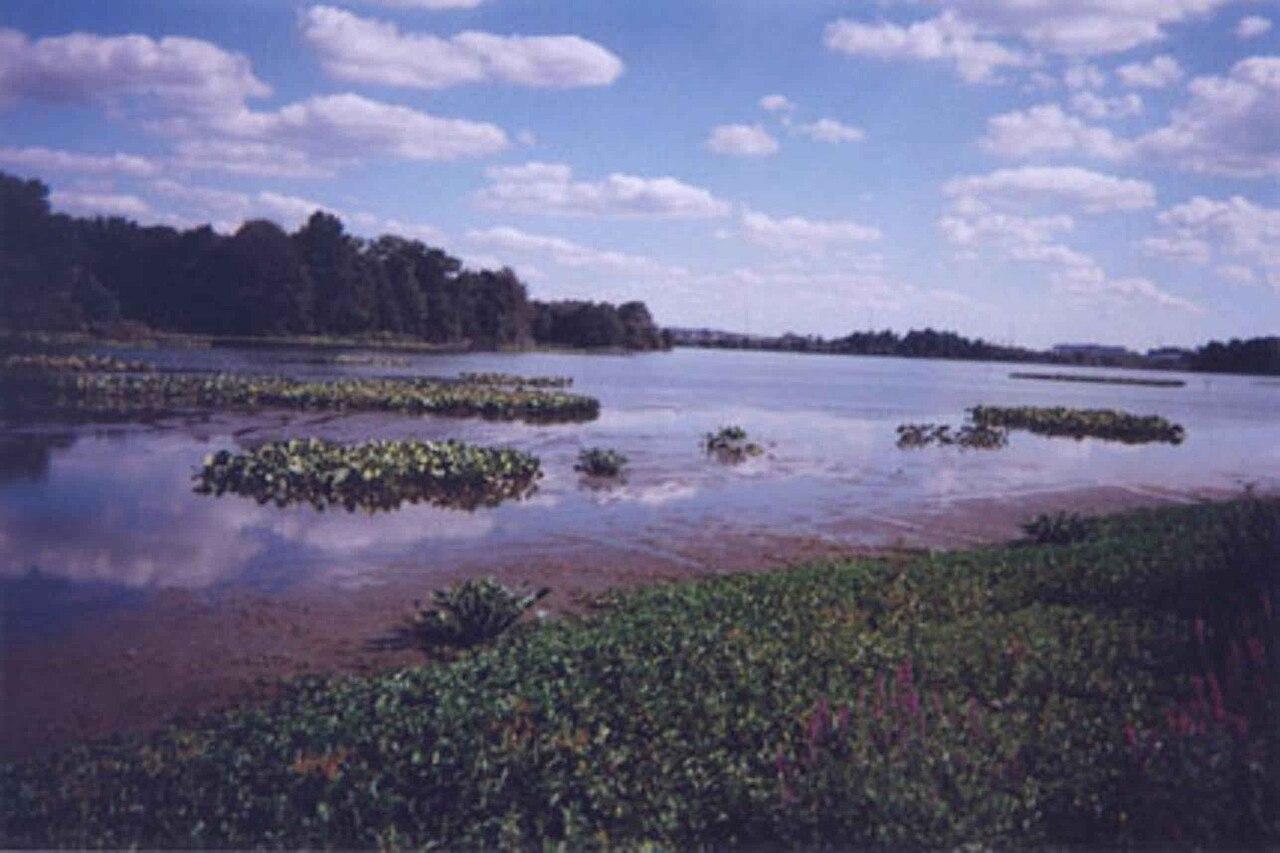
Down by the airport and stadium, there's a giant swamp that has somehow become a park. I've only been there once and had to Google it to figure out what it's called (the John Heinz National Wildlife Refuge at Tinicum). I assumed it was some sort of state park designed to save endangered purple-masted turtles or lion-spotted-zebra-flies (as you might be able to tell, I do not have a degree in biology or zoology or botany). But my wife wanted to go and we met one of her friends out there a few months ago. In reading the signs (since I was more interested in them than the swamps), I learned quite a bit. It was actually the first urban national wildlife refuge in the country, established in 1972. It comprises about 1,000 acres of freshwater tidal marsh (the largest remaining one in Pennsylvania), basically taking up the area between the airport runways and I-95. It is inside Philly city limits.
There is a giant one-mile boardwalk that keeps you above the marshy swamp, which we walked around with my then-baby in a stroller. If I remember correctly, there's also some observation points with steps that we had to carry the stroller & kid up (thankfully, only 20 pounds at the time, so doable). At one end of the boardwalk there is an observation tower. You climb a few flights of stairs and you are above the cattails with the whole marsh open in front of you. When up there, you see some swamp birds and I think at the foot of the steps there was a warning sign about stinging nettle.
In doing a bit of history work, I learned that this place got perilously close to not existing. Tinicum Marsh got chewed up through the postwar decades - landfill, dumping, the airport expansions - until a coalition of locals, hunters, and conservationists fought to protect what was left. In 1972, the federal government made it a refuge and it got renamed after Senator John Heinz in 1991. Most people have no idea it's there, and I wouldn't have except my wife likes hiking / visiting these types of parks.
https://nickjain.com/blog/john-heinz-refuge