The School District's Allocation Crisis
SDP faces a $300M structural deficit and is cutting 340 school-based positions. Central office — up 56% — is largely protected.
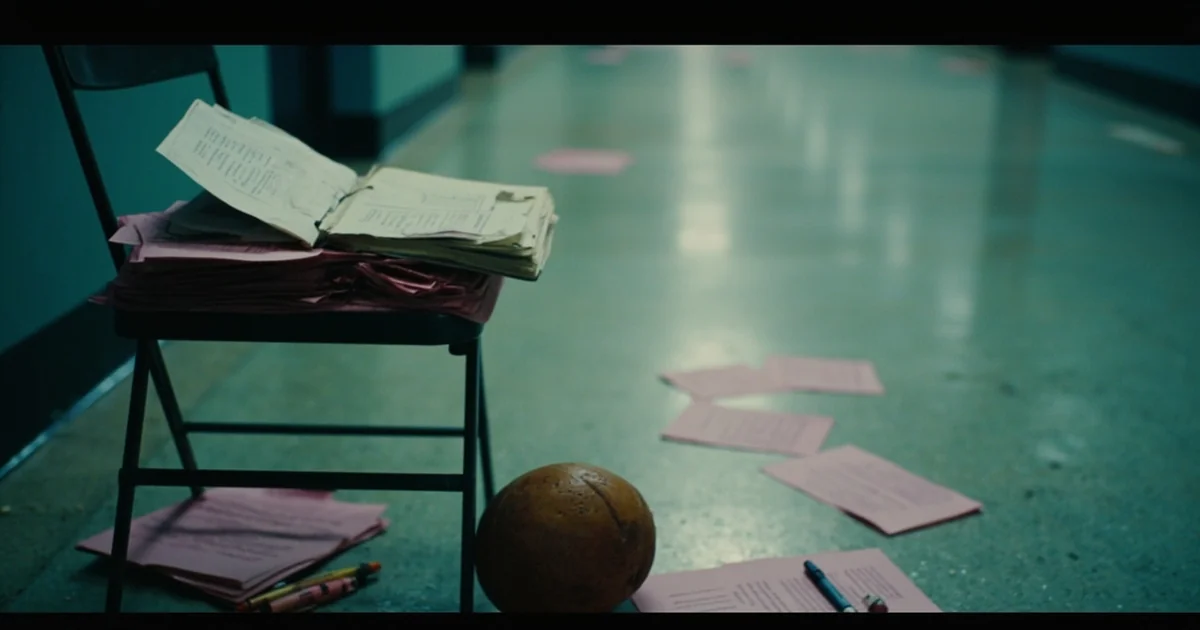
The School District of Philadelphia is cutting $225 million from its operating budget for the 2026-27 school year. 340 school-based positions are being reassigned or cut — including 200-plus building substitute teachers. Aides. Climate staff. The people actually in the buildings with kids.
Meanwhile, the central office budget has been reported at roughly $245 million with around a thousand positions. And the math underneath the District's own numbers tells a story that nobody in the administration wants to tell.
Since 2016, the School District of Philadelphia has grown its workforce by 21 percent overall. But here's the number they don't put in the press releases: administrative positions grew by 56 percent. Teachers grew by 4 percent. The District now employs more administrators per student than it did a decade ago, even as enrollment has declined.
When you say "we have to cut school-based staff" while central office holds roughly a quarter of a billion dollars and around a thousand positions, you're not presenting a resource crisis. You're demonstrating an allocation decision. And that decision was made by people inside that central office.
The official story is that federal pandemic relief funds have expired, and the District is facing a structural deficit it didn't create. That's partially true. The relief funding is gone. The deficit is real.
But the District's own budget documents show that only $30 million of the $169 million in central office savings comes from cutting 130 vacant positions. The rest — utilities, insurance, contract reductions — is operational trimming. The central office itself, as an institution, is not being asked to shrink in any meaningful sense.
The 56 percent growth in admin positions happened on somebody's watch. And now the kids in neighborhoods like Olney are paying for it.
The math shows an allocation crisis. A performance audit of the School District's central administration would find the fat in the central offices and reallocate those dollars directly to the teachers on the front lines.
Every dollar spent on a central office administrator who isn't touching a classroom is a dollar that didn't reach a kid who needed it. That's not a scandal. It's just the deal — until somebody with the authority to change it decides to change it.