A Road That Has Killed Pedestrians for a Decade
Washington Avenue has been a deadly corridor for a decade. 71% of residents chose the safest design. The city scheduled another meeting instead.
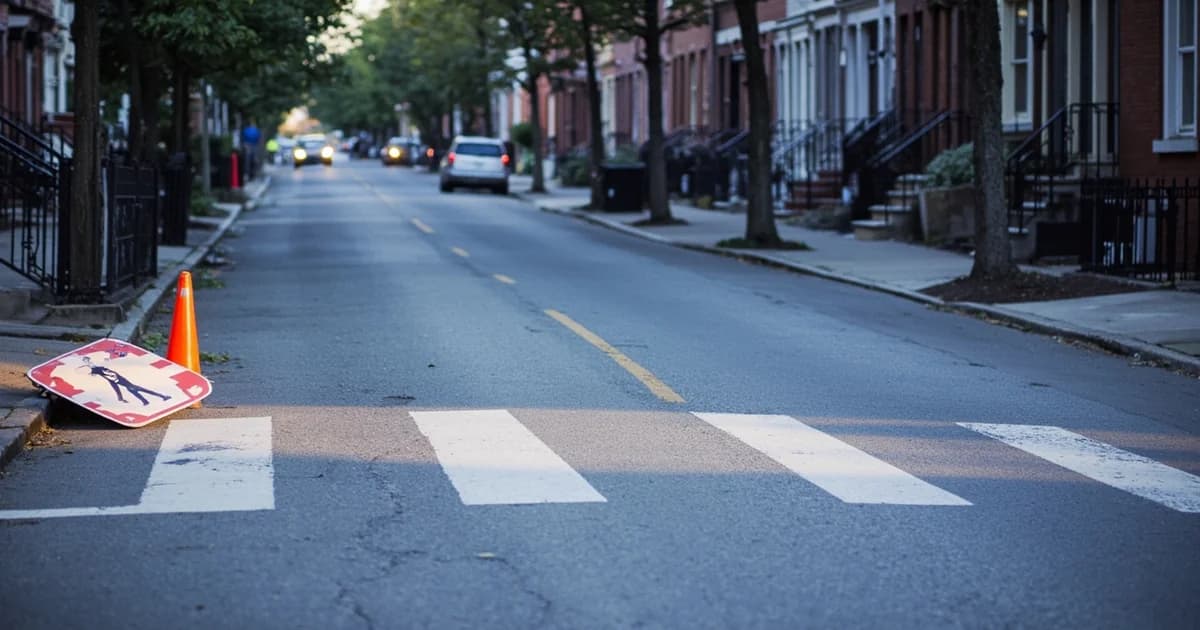
Five lanes wide. Washington Avenue has been one of the most dangerous corridors in Philadelphia for people on foot for a decade. An 83-year-old woman was killed crossing Washington Avenue before dawn on December 22, 2017 — she was never identified. Transportation engineers flagged the corridor. 71 percent of survey respondents chose the safest option — a three-lane design with protected bike infrastructure and extended pedestrian medians. Every neighborhood association that showed up to meetings supported it.
The safe design existed. Planners drew it up. The public signed off. The engineering was sound.
Councilmanic prerogative held it hostage.
This is the informal norm that gives each councilmember veto power over any project in their district. Not in the city charter. Not in any ordinance. A gentleman’s agreement that has calcified into institutional practice. Nothing moves without the individual councilmember’s sign-off. Not because the law requires it. Because culture does.
The Law Department issued an opinion saying no Council vote was legally required to implement the redesign. The city could have proceeded. The data supported it. The plan was ready.
It did not proceed.
People were killed on Washington Avenue while the city scheduled another public meeting. The road is still five lanes wide.