The One Number
Flush draws and set mining look tempting. They're not. Your gut is not a mathematician.
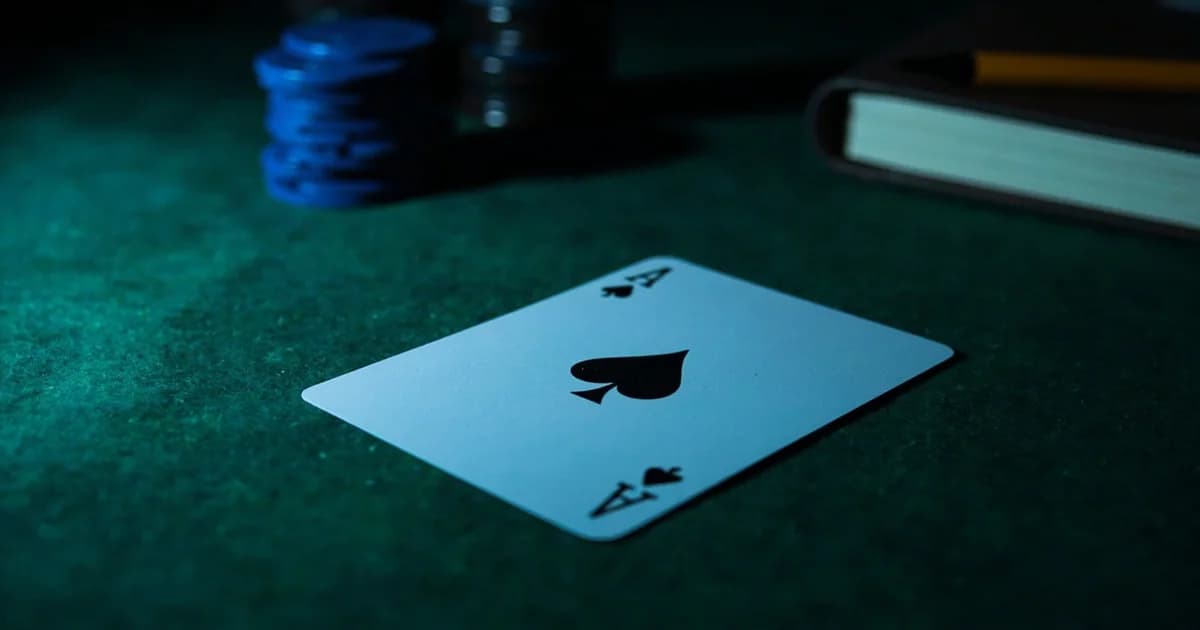
$1/2. Someone raises to $12. You look down at pocket 7s. You call.
First mistake.
Here's why. That $12 call hits a set about 10% of the time — roughly once every nine times. When you hit, you need to get paid off. For set mining to be worth it, your opponent needs about $180 behind. At $1/2 and $1/3 at Rivers, nobody has $180 behind. You're not playing poker. You're donating.
Same thing with flush draws. You see two of the same suit on the flop. You got four to a flush. Your gut says the other guy might pay you off.
Your gut is not a mathematician.
Flush draw hits 37% of the time by the river. Misses 63%. For chasing to be worth it, your opponent needs about 3x the pot in their stack — and that's assuming they pay you off every time you hit. They won't. At $1/2 and $1/3, almost never happens. Flush draws are entertainment. If you're playing for value, you're in the wrong game.
What actually matters: stack-to-pot ratio. Not pot odds to the 7th decimal. Just the one number that tells you whether you're playing poker or providing a subsidy to someone who is. The reason that math gets worse before it gets better is the rake — which is the subject of a separate piece I wrote called The Rake Is Eating You Alive.
People chase because it feels good. Because the hand looked pretty on the flop. Because losing feels like almost winning. It is not almost winning. It is losing with a story.
Fold.