The Bus That Used to Run
On August 24, 2025, SEPTA cut 32 Philadelphia bus routes — Route 31, the West Philadelphia crosstown, among them. 52,000 students lost their ride.
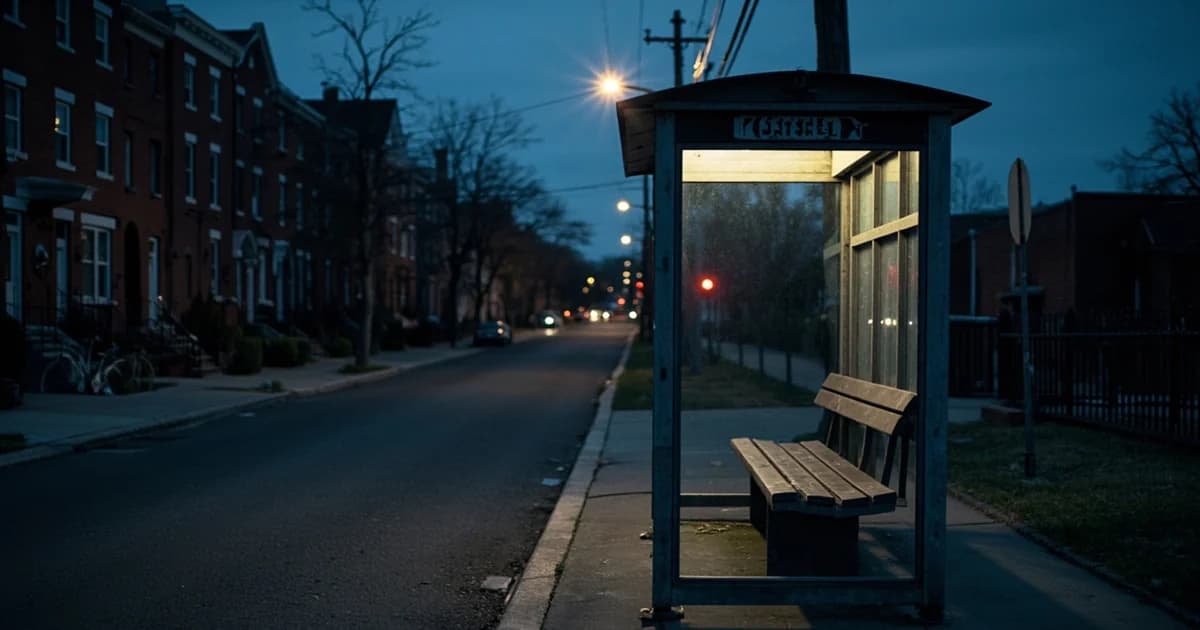
Route 31 used to run every 30 minutes. That was the deal — half-hour headways, an app that told you where the bus was, the kind of reliability that let a person plan a week around it. From 76th Street down through Overbrook Park, Carroll Park, Mill Creek, Mantua, to City Hall. The West Philadelphia crosstown.
On August 24, 2025, SEPTA eliminated 32 bus routes. Route 31 was one of them.
The bus used to carry 35 passengers an hour. That was more than 32 other SEPTA bus routes that kept running. The cost per passenger was below average. The route was eliminated anyway, because the people it served are not the people SEPTA’s funding model is built to serve.
52,000 Philadelphia students rely on SEPTA to get to school. Not by choice — by geography. Their schools are not in their neighborhoods. Their parents are not home at 7:40 in the morning. The bus was not a convenience. The bus was the only way.
What happened to those kids on August 25? Some of them made it. Some of their parents rearranged work schedules, called in favors, improvised. Some of them did not make it, and the absence was recorded as a disciplinary incident, and nobody wrote the disciplinary incident next to the sentence: “Bus did not come.”
The city found some money. In late August, Parker pulled operating funds from the FY26 budget and restored the school routes — the ones the loudest parents organized against. The bus came back for them. SEPTA restored the rest by September 14, after a court blocked any new cuts and PennDOT approved state capital dollars to backfill operations. The 21.5% fare increase did not go back. The second round of cuts, deeper than the first, was scheduled for January 1, 2026.
Everyone likes to close a deficit. But you can’t be dicking around cutting the routes the unorganized rode, if you can find money for the routes the organized rode — particularly when the deficit you claim to be closing is one the legislature could close in a session, if anyone in Harrisburg gave a damn.
The city had money — for the cuts the parents organized against. It did not have money for the 52,000 students, or the overnight workers, or everyone else who rides not for the ambiance but because the alternative is not walking but not existing. What the city is saying to those people is: you are the margin that gets cut first.
The bus was restored in September. The fare increase was not. The second phase of cuts is scheduled for January 1, 2026. The legislature has been told this for ten years. So far, the legislature’s answer has been: sure, January 1 sounds about right.
Notes, Sources, and Methodology
SEPTA’s August 24 service-cut announcement and the list of 32 eliminated bus routes are confirmed by SEPTA, the School District of Philadelphia, CBS News Philadelphia, and Billy Penn. Route 31’s pre-cut ridership (~35 passengers an hour on the West Philadelphia crosstown) is from WHYY (May 19, 2025).
The 52,000 students figure is from SDP Superintendent Tony B. Watlington Sr., reported by WHYY (Aug 28, 2025) and PhillyVoice. The $213M deficit — ridership at ~80% of pre-COVID, expired federal relief, inflation — is laid out by the Economy League of Greater Philadelphia (Sep 1, 2025).
The August 28 restoration of school routes using FY26 operating funds, the August 29 court injunction, SEPTA’s September 14 restoration using PennDOT-approved state capital assistance, the 21.5% fare increase, and the planned January 1, 2026 second round of cuts are documented on the City of Philadelphia’s timeline and by Spotlight PA (Sep 5, 2025). The January 1 cuts are detailed in the PA House Service Reduction Guide (Aug 22, 2025).