Reading Moby Dick
It's so long but so fascinating. An entire chapter on the tail of a whale. It makes you feel like Melville really cared about whales, and somehow that makes you care too.
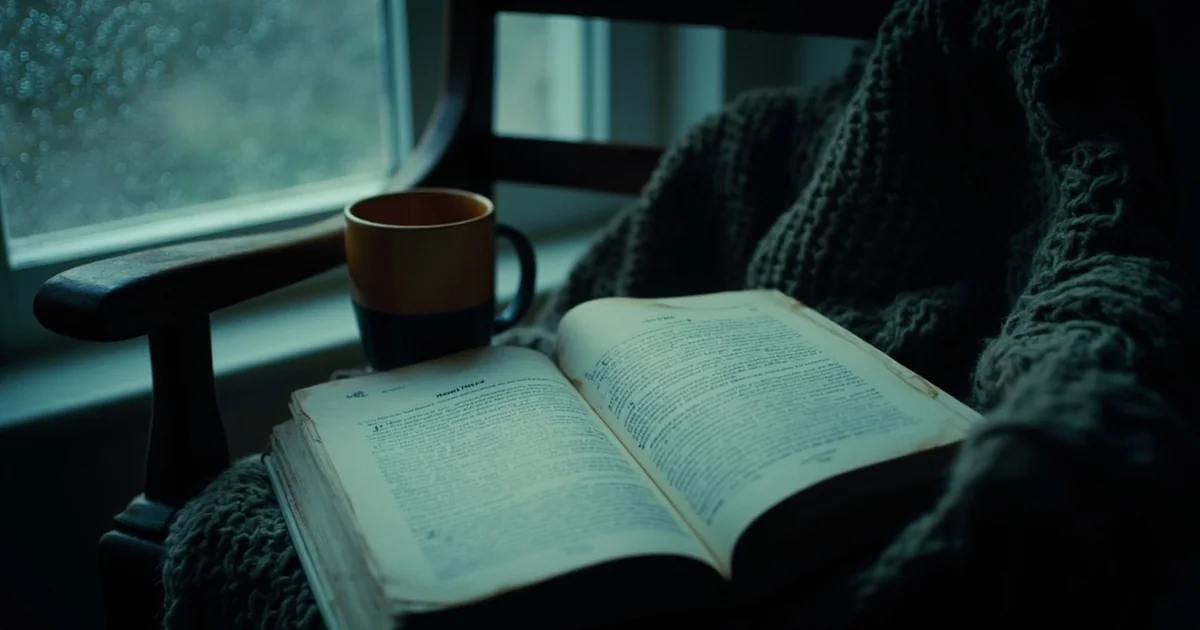
Moby Dick is long. That's the first thing they don't tell you when people recommend it — not that it's a masterpiece about obsession and the sea, not that it's the source of half the metaphors we use, but that it is genuinely, stubbornly, impossibly long. There is a chapter about the whale's tail. It goes on for thirty pages. The tail. Just the tail.
But here's the thing: it is also the most interesting book I've read in years. Not because the plot moves — it doesn't, for large stretches — but because Melville cared so much about whales that he couldn't stop writing about them. He knew things about whales that it seems impossible to know without being one. Their skin. Their eyes. Their spines. The way they mate. The way they die. The exact hydrodynamics of how they move through water. This is not a man who was along for the ride. This is a man who looked at a whale and could not stop looking.
There is something weirdly moving about that. About someone having a passion that specific and that deep for something the rest of the world probably thought was just a large fish. You read Moby Dick because someone cared this much, wrote this carefully, and wanted you to understand what he understood about this one thing.
I think about this when I'm working on something that feels too detailed, too obsessive, too far into the weeds. Melville spent thirty pages on a whale's tail. Maybe I'm allowed to spend three pages on the Philadelphia tax code if I think it's worth it.
It’s the same instinct the animators at Sunrise showed in their 30th-anniversary Gundam Wing video — a love letter from grown-up creators to the thing they cared about when they were young, with no product attached. Different medium, same refusal to apologize for caring this much. On the other end of the spectrum, when I write for software users I have to do the opposite: cut, cut, cut, and explain in five words what Melville needed thirty pages for. See why plain English beats clever copy for that version of the trade.
Anyway. Still reading it. About two-thirds through.
The whale has not appeared yet. Or has appeared and I've forgotten. At this point, basically the same thing.