Part 9 of 9 in Philadelphia Code: Accidental Anthropology
The Commission That Was Abolished and Empowered in the Same Code
This is Part 9 of Philadelphia Code: Accidental Anthropology. Philadelphia Code § 15-101 calls the Fairmount Park Commission "former." Then § 15-202, about 225 lines later, says the Commission is "hereby empowered." Voters abolished the Commission in 2008. The Code never quite agreed with itself.
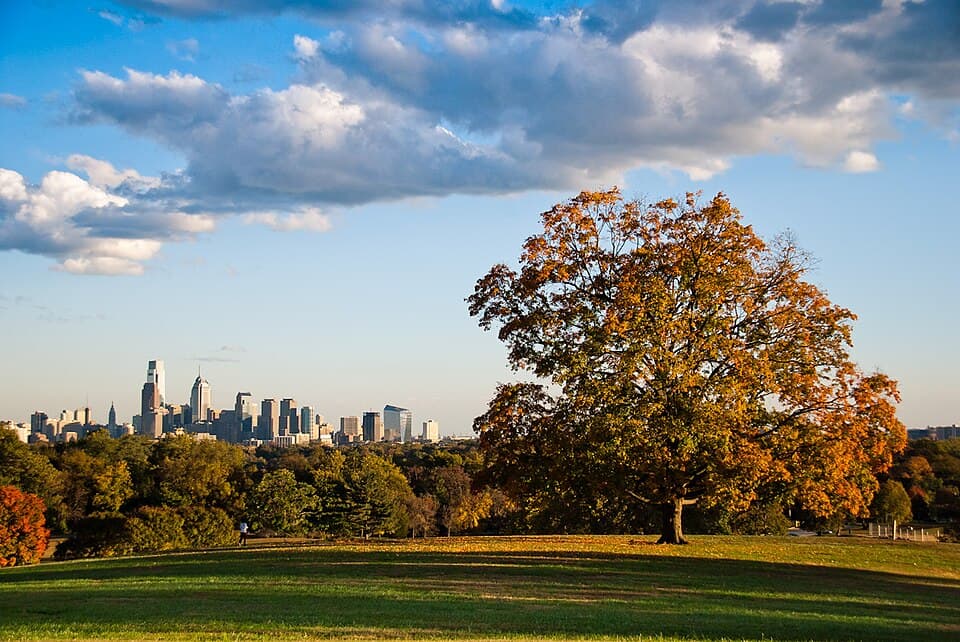
Philadelphia voters abolished the Fairmount Park Commission in November 2008. The ballot question passed. The Commission was folded into Parks & Recreation. Bill 080427-A made it official. Done.
Read § 15-101 of the current Philadelphia Code. It calls the Fairmount Park Commission the “former” Commission. Past tense. Acknowledges the abolition.
Now scroll down to § 15-202. That section says: “the Fairmount Park Commission is hereby empowered.” Present tense. Active voice. The Commission, which the previous section just told you was abolished, is in this section being granted power to do things.
Two sections. One Code. One says the Commission is gone. The other says the Commission is empowered. They’re separated by less than a page — about 225 lines, in the current edition.
This is what happens when you amend a code by repealing the body but not the verbs. The 2008 bill killed the Commission. It did not go through every downstream provision and rewrite the empowerment clauses. Those clauses still say what they said across decades of amendments. The Commission was empowered. The Commission did things. The Commission still, on paper, exists in the sentences that delegate authority to it.
If you were a city employee enforcing a § 15-202 power right now, who do you think you are? The Commission? The Commission doesn’t exist. Parks & Rec? They’re the successor, but the statute doesn’t name them. A judge would tell you the powers flow to the successor agency by operation of law — that’s standard municipal interpretation — but the statute itself reads like a ghost is still running the parks.
And a street-tree dispute in Fairmount could turn on this. A neighbor wants a tree removed. A different neighbor wants it kept. The Code says the Commission decides. The Commission is gone. So the decision belongs to whoever a court says inherited the Commission’s decisions. The whole dispute rests on which section you read first.
It’s tempting to call this sloppy. It’s actually just how big legal documents age. Voters delete the entity, but the Code is written in the prose of the moment, and the prose outlives the entity. The 2008 abolition was a clean political act. The cleanup of 225 lines of consequential prose is the kind of janitorial work nobody gets paid to do and nobody campaigns on.
So the Code carries the ghost. § 15-101 buries the Commission. § 15-202 hands it the keys. The two sections live next to each other, contradicting each other, every day, and most of the city has no idea.
That’s the deal with a code that’s been amended into Swiss cheese. Somewhere in the prose, there’s always a Commission still empowered to do something it can’t do, because the people who voted it out of existence forgot to read past page two.
Another good example of the same pattern is the twenty-one rule for buying a bow and arrow — a statute that grew by accretion into a long list of sub-lethal projectiles, the kind of pile-on the Code specializes in.
Sources: Philadelphia Code § 15-101 (codelibrary); Philadelphia Code § 15-202 (codelibrary); Philadelphia Encyclopedia, “Fairmount Park Commission” (for Bill 080427-A and the 2008 abolition).